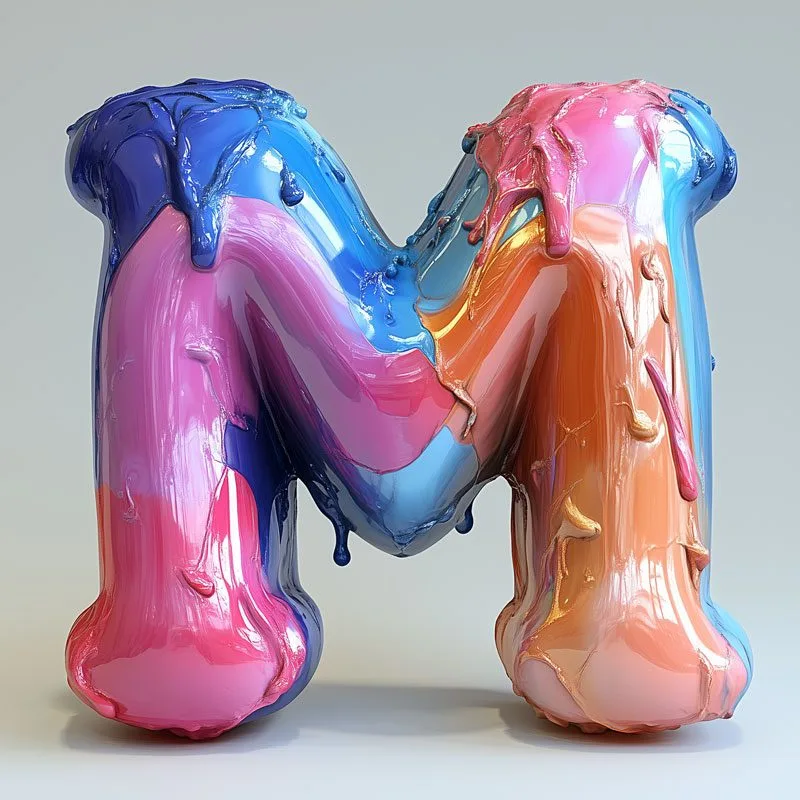
Defining Minimalism and Maximalism
Minimalism: Less is More
Minimalism embraces the philosophy that simplicity, functionality, and clarity create the greatest visual and emotional impact. Originating in the mid-20th century, minimalism strips away excess, focusing on core elements such as clean lines, muted color palettes, ample whitespace, and intentional simplicity.
Prominent minimalist designers like Dieter Rams have profoundly influenced how we view modern design, stating famously, “Less, but better.” Minimalism prioritizes functionality and the careful curation of every element, creating an aesthetic that feels uncluttered, calming, and intentional. Apple’s minimalist product designs exemplify this aesthetic, creating intuitive, elegant, and user-friendly technology.
Maximalism: More is More
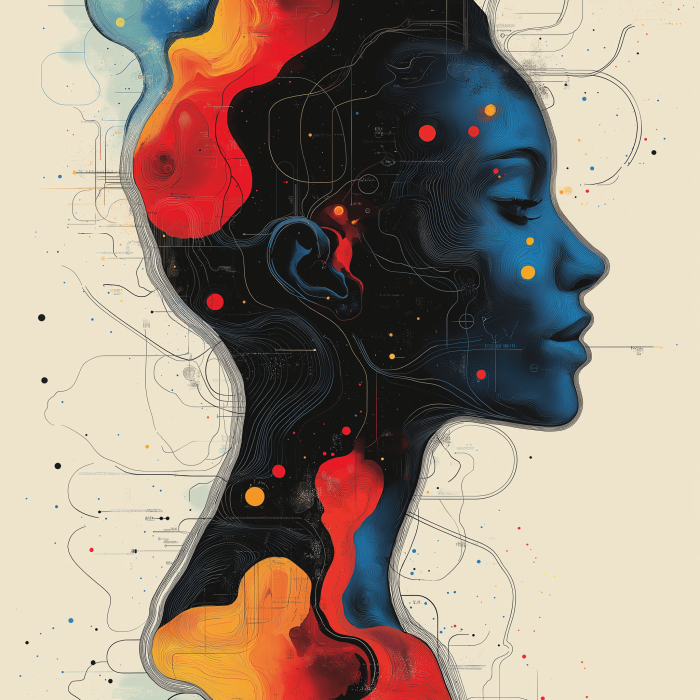
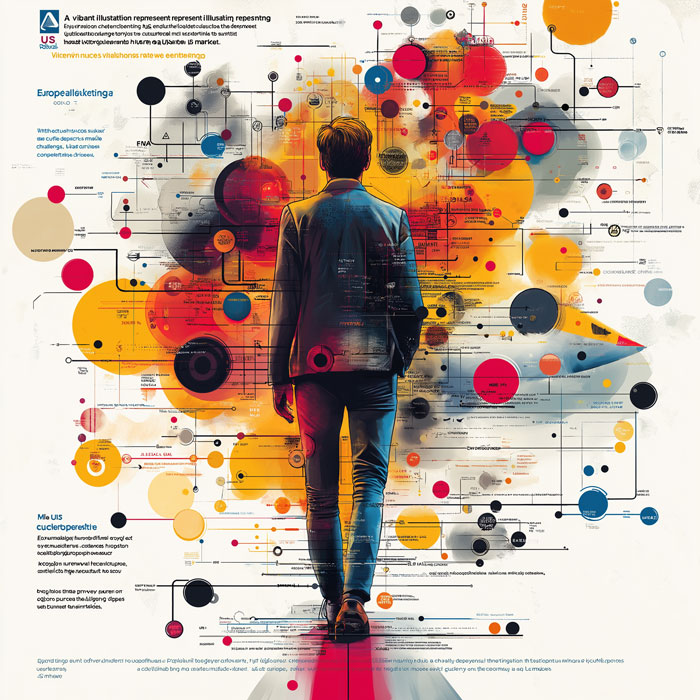
On the opposite end, maximalism is loud, vibrant, expressive, and unapologetically abundant. This design philosophy emphasizes bold colors, intricate patterns, eclectic combinations, and layers of visual and sensory experiences. Rather than focusing on the “less,” maximalism champions individual expression, cultural richness, and the celebration of complexity.
Renowned interior designer Kelly Wearstler describes maximalism as “the art of storytelling through objects and patterns.” In maximalism, each element adds a chapter, creating spaces and visuals rich in personality, depth, and emotional engagement. Diesel’s bold, expressive branding, characterized by daring campaigns, vibrant aesthetics, and provocative visual storytelling, serves as an iconic example of maximalist design.
Core Principles of Minimalism
Minimalism hinges upon a few essential principles:
Clarity and Purpose
Minimalist designs eliminate distraction to highlight purpose. Every component serves a clear function, creating harmony and coherence. Nothing exists without justification. IKEA’s straightforward, purposeful furniture designs embody this principle clearly.
Negative Space
Whitespace—or negative space—is actively employed. It directs attention and creates breathing room, highlighting essential components and improving readability and visual comfort. Websites like Google’s homepage demonstrate mastery in using negative space to enhance user focus.
Simplicity and Balance
Minimalism utilizes straightforward geometry and symmetry or strategic asymmetry. Simple yet balanced arrangements provide visual equilibrium, fostering calmness and clarity. The logo and visual identity of brands such as Muji are excellent representations of simplicity and balance.
Neutral or Limited Palettes
Color in minimalism is used sparingly. Monochrome or neutral tones dominate, punctuated selectively to draw attention or evoke specific emotions without overwhelming the senses. Brands like Chanel effectively leverage this limited color palette to convey elegance and sophistication.
Core Principles of Maximalism
Conversely, maximalism celebrates a different set of design ideals:
Eclectic Harmony
Maximalism carefully orchestrates seemingly disparate elements—various colors, textures, patterns, and styles—to produce a harmonious visual symphony. Dolce & Gabbana’s designs often embody eclectic harmony through vibrant combinations.
Storytelling and Personality
Every design choice tells a story. Maximalism embraces narrative and personal expression, reflecting individuality, heritage, and cultural context. Interior spaces designed by Jonathan Adler vividly capture personality-driven storytelling.
Visual Complexity
Layered elements, intricate patterns, and abundant details create visual richness. Designs are intentionally dense, stimulating, and engaging at multiple levels. Anthropologie’s store layouts exemplify visually complex yet harmonious environments.
Bold and Vibrant Colors
Maximalism thrives on vibrant, bold, and expressive colors. Contrasts, complementary hues, and daring palettes characterize maximalist spaces, giving them vibrancy and life. Versace consistently uses bold, dramatic colors that epitomize maximalist expression.
Strengths and Weaknesses
Each style offers unique advantages and limitations (see previous detailed list).
Choosing Between Minimalism and Maximalism
The decision depends on your goals, brand personality, target audience, and context. Minimalism suits brands seeking clarity and sophistication (e.g., Apple, IKEA), while maximalism is ideal for brands emphasizing storytelling and individuality (e.g., Diesel, Versace).
Bridging the Gap: Blended Approaches
Some of the most exciting contemporary design work emerges at the intersection of these extremes. For instance, minimalist layouts infused with maximalist color accents or intricate patterns can create visually compelling yet functional spaces, as seen in designs by Airbnb. Alternatively, maximalist designs constrained by minimalist principles can maintain clarity within rich visual experiences, as shown in the branding of Spotify.
Future Directions: Is Minimalism or Maximalism Here to Stay?
Neither minimalism nor maximalism is likely to fade completely. Flexibility and adaptability are increasingly essential as design continues to evolve.
Practical Recommendations for Designers and Brands:
- Clearly define design objectives and desired emotional responses.
- Align style choices with user preferences.
- Strategically blend minimalism and maximalism to leverage their strengths.
- Regularly reassess and adapt designs as needed.
- Ultimately, the best designs speak clearly, resonate emotionally, and authentically engage audiences.