It ensures that every visual, verbal, and experiential expression of your brand is not just beautiful, but coherent, strategic, and unmistakably “you.”
But what actually makes a brand manual effective? What should it include? Who should use it? And how can it evolve with your business?
In this in-depth guide, we explore the essential components of a powerful brand manual, why it matters, and how to build one that works across teams, disciplines, and channels.
What Is a Brand Manual?
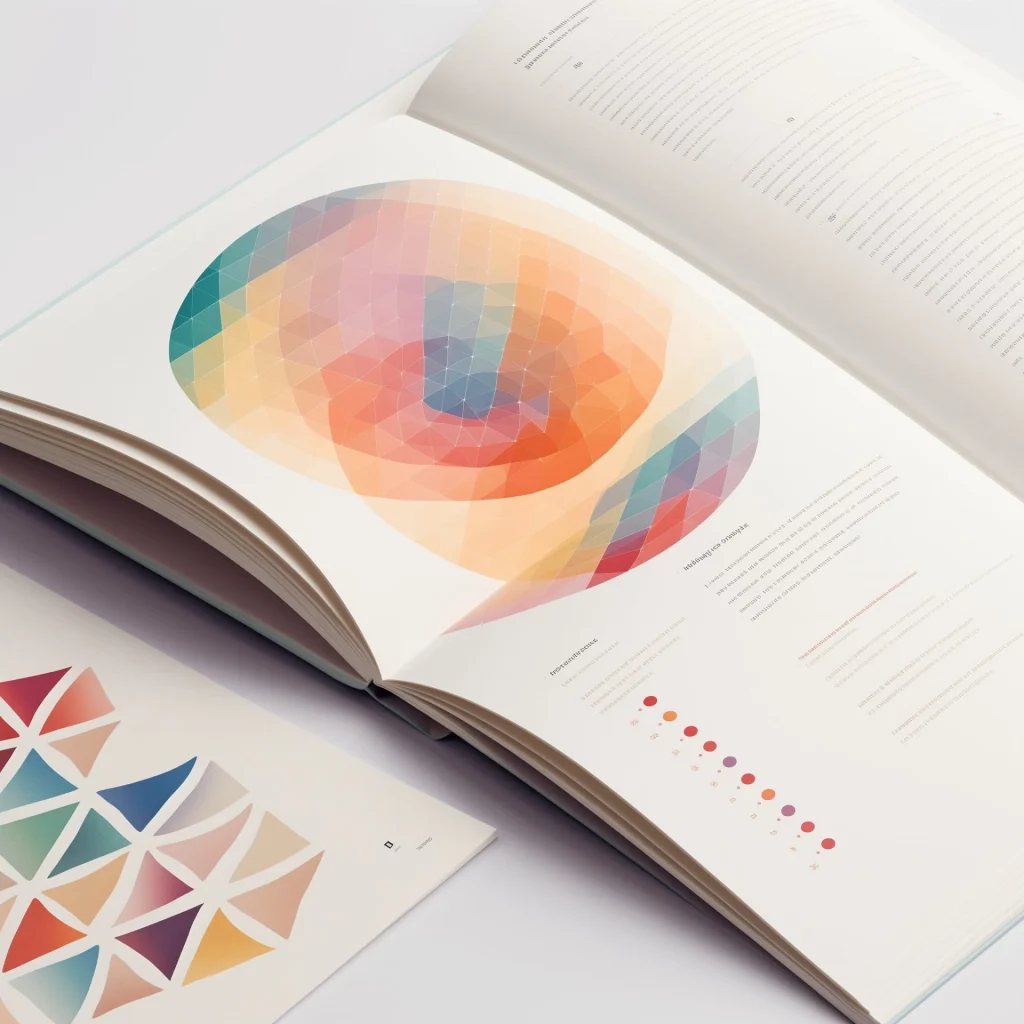
A brand manual is a comprehensive brand information and guidelines document, brand book, or guide—a foundational reference that defines and documents your brand and how your brand should be expressed visually and verbally. It ensures consistency across touchpoints, teams, and markets, so whether someone is creating a presentation, designing an ad, coding a website, or writing a social media post, the brand feels unified and purposeful.
Unlike an internal memo or static PDF, a truly effective brand manual acts as both a compass and a toolkit: it guides high-level strategic alignment and supports practical implementation.
Why Does a Brand Manual Matter?
- Consistency Builds Recognition and Trust Repetition breeds familiarity, and familiarity breeds trust. A brand manual ensures that wherever your audience encounters your brand, the look, tone, and feel are consistent.
- Speeds Up Creative Work When creatives and marketers don’t have to guess or debate design decisions, they move faster. A brand manual saves time and reduces subjective back-and-forth.
- Onboards New Team Members Faster For growing teams, a brand manual is a shortcut to understanding your brand’s DNA. New designers, writers, developers, and vendors can ramp up faster and work more independently.
- Maintains Brand Integrity Across Regions and Vendors Whether you’re working with international agencies, external freelancers, or in-house departments, a strong brand manual ensures consistency across geographies and disciplines.
- Prevents Brand Dilution Without clear guardrails, a brand can slowly start to erode—colors get tweaked, voice tones shift, logos get misused. A manual keeps everyone aligned on what’s sacred and what’s flexible.
- Encourages Adoption Through Clarity and Simplicity A brand manual should be a helpful tool, not a hurdle. While it’s important to provide clear guidance and detail, the most effective manuals also leave room for interpretation and creative judgment. If it’s too complex or rigid, teams are less likely to use it. Simplicity and usability encourage adoption and ensure the brand system lives in the real world—not just in theory.
What Should an Effective Brand Manual Include?
Let’s break down the key components, grouped into three major sections: Brand Foundation, Visual Identity, and Verbal Identity.
1. Brand Foundation
This section sets the strategic tone. It tells people not just what the brand looks like, but why it exists and what it stands for.
- Brand Purpose A clear articulation of why your brand exists. Not just what you do, but why you do it.Example: “To make high-performance tools accessible to everyday creators.”
- Vision and Mission Statements Vision is your aspirational future; mission is what you’re doing to get there.
- Brand Values Core principles that guide decision-making, tone, and behavior. These shape your internal culture and external communications.
- Brand Personality Adjectives or traits that define your brand’s tone and style. Are you bold and witty? Sophisticated and calm? Human and helpful?
- Positioning Statement How you want to be perceived in the market, relative to competitors. This should define your audience, value proposition, and differentiation.
- Target Audience Profiles Who you’re speaking to. Include demographic and psychographic details, pain points, and aspirations.
2. Visual Identity
This is the most tangible and often the most referenced section. It establishes how your brand appears across mediums.
- Logo Usage Clear rules for using your logo. Include:
- Primary logo
- Secondary/stacked/monogram versions
- Exclusion zones
- Minimum sizing
- Background control
- Don’ts (e.g., distortions, color changes, shadowing)
- Color Palette Define primary and secondary colors, with HEX, RGB, CMYK, and Pantone values. Include usage recommendations and accessibility considerations.
- Typography Outline typefaces for headings, body copy, UI elements, and web vs. print usage. Include weights, line height, spacing, and how to use type hierarchies.
- Photography Style Describe your visual approach to photography: candid or staged? Minimalist or layered? Color grading rules, diversity representation, and mood boards.
- Illustration Style If your brand uses illustration, define the style, line quality, color treatment, proportions, and common motifs.
- Iconography Guidelines for designing and using icons. Should they be line-based, filled, isometric, abstract? What’s the grid system?
- Grid and Layout Systems Define spacing, alignment, and modular design principles to ensure consistency across collateral.
- Motion Guidelines For brands active in video or digital platforms, this includes rules for animation style, transitions, timing, and voiceover tone.
3. Verbal Identity
Your brand’s tone, style, and linguistic fingerprint.
- Voice and Tone Your brand voice is consistent; your tone may shift depending on context. Define both clearly with examples.Example: Voice = Confident, playful. Tone = Helpful and empathetic when explaining; irreverent and witty in social posts.
- Messaging Pillars Core themes or stories that define your narrative. These should support your value proposition and help teams stay on-message.
- Editorial Style Guide Grammar, punctuation, capitalization, and spelling rules. Define your stance on Oxford commas, contractions, emoji usage, and more.
- Naming Conventions Rules for naming products, campaigns, programs, and features. Keep consistency in structure, capitalization, and phrasing.
- Taglines and Slogans Approved language that appears frequently in campaigns or packaging. Include when and how to use them.
Optional but Valuable Additions
- Brand Architecture Define how different products, services, or sub-brands relate to the parent brand.
- Accessibility Standards Provide guidance on ensuring inclusive design: color contrast, font size, alt-text, screen reader compatibility.
- Tone by Channel Matrix Describe how voice and tone shift across different platforms (e.g., website vs. support chat vs. LinkedIn vs. Instagram).
- Sample Applications Mockups of the brand in real-world use: social posts, email headers, slide decks, packaging, billboards.
- Templates Pre-built slide decks, ad formats, email layouts, and design files that accelerate brand-compliant content creation.
Digital Brand Manuals vs. Print PDFs
An effective brand manual today is often delivered in a digital, interactive format. Tools like Frontify, ZeroHeight, Figma, and Notion are becoming standard because:
- They’re easier to update
- They support embedded examples
- They’re accessible to distributed teams
- They allow permissions and version control
However, some companies still benefit from a beautifully designed PDF for stakeholder presentations, agency briefings, or brand education.
Who Should Use a Brand Manual?
An effective brand manual should serve many roles:
- Designers: Visual identity rules, layout systems, templates
- Writers: Tone, messaging, style rules, naming conventions
- Developers: Font files, spacing grids, digital brand tokens
- Marketing Teams: Campaign alignment, voice and messaging consistency
- Sales Teams: Presentation templates, pitch decks
- External Partners: Agencies, freelancers, printers, media buyers
It’s not just for designers. It’s a tool for brand cohesion across every team.
How to Keep a Brand Manual Effective Over Time
- Update Regularly
Your brand evolves. So should your manual. Revisit and update quarterly or with every major campaign, product launch, or market expansion. - Appoint a Brand Steward
Assign a person or team to own the brand manual and manage change requests, updates, and compliance. - Build It Into Onboarding
Make the brand manual a required read for every new team member. Include exercises or certifications if needed. - Promote It Internally
Run lunch-and-learns, brand clinics, or creative jams to evangelize the guidelines and make them feel inspiring—not restrictive. - Integrate With Workflow Tools
Embed guidelines into your CMS, email tools, Figma libraries, Google Slides, and Slack integrations so they’re always within reach.
Examples of Excellent Brand Manuals
- Spotify – Their brand site showcases motion, tone, and visual systems in a lively, engaging way.
- Uber – A bold example of a brand system that evolves with clear visual rhythm, strong voice, and clarity.
- NASA (Graphics Standards Manual) – Though decades old, it’s a masterclass in simplicity, clarity, and system thinking.
- Mailchimp – Their brand book is witty, helpful, and clear—just like their brand.
Final Thought: A Brand Manual Is a Living System
The best brand manuals are not rigid rulebooks but adaptive frameworks. They serve as a single source of truth, but they invite exploration, creativity, and collaboration within clear boundaries.
In today’s world—where a single tweet, TikTok, email, or Google ad could be someone’s first interaction with your brand—consistency isn’t just smart. It’s essential.
And that consistency starts with one thing: an effective, thoughtful, inspiring brand manual.
Want to Build One?
If you’re ready to create or evolve your brand manual, start by gathering your team, auditing your current assets, and defining your brand truths. Then build a system that’s as strategic as it is beautiful—and as actionable as it is aspirational. Your brand deserves it.
If you need help, simply reach out to us.