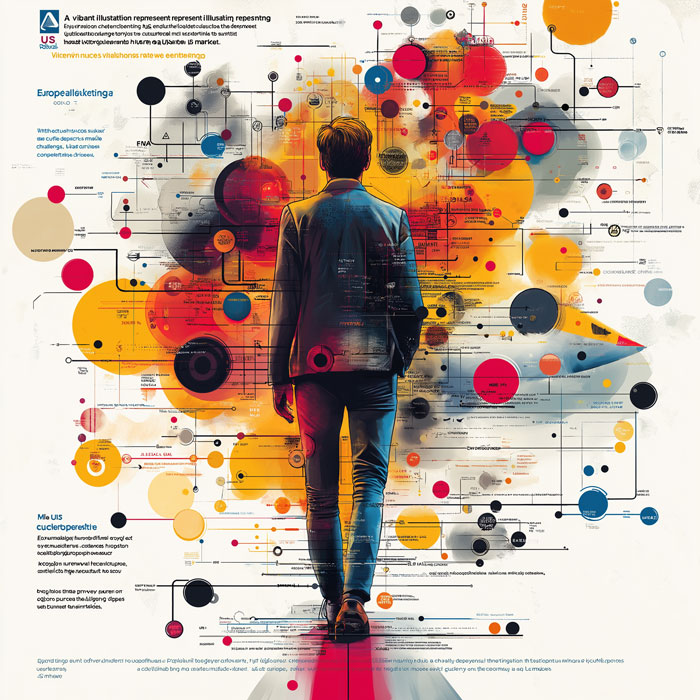
In an age of infinite design tools and one-click templates, building a brand has never been easier—or more dangerous. When everything starts to look the same, stand out!
Standing Out in a Sea of Similarity
Templates speed up production and simplify processes, yet when everyone uses identical assets, brands struggle to express distinct personalities. As Marty Neumeier famously stated, “Your brand isn’t what you say it is; it’s what they say it is.” Striking branding depends heavily on originality. Templates handle the basics, but they rarely capture a brand’s soul. To truly stand out, introduce your own carefully curated colors, authentic imagery, and unique messaging angles that reflect your brand’s ethos.
Why Authenticity Matters
Consumers build loyalty when they sense genuine intent behind marketing efforts. A polished, cookie-cutter design might initially attract attention but can quickly feel hollow or detached from your brand’s real story. People don’t buy what you do; they buy why you do it. Consumers seek brands that authentically communicate their purpose, not just another templated layout. Integrating real-life stories, genuine reflections, or articulating your brand’s heartfelt mission can elevate your visual presentation, even when working from a common design framework.
Staying Flexible and Purposeful
In an age where messages span multiple platforms—websites, social media, podcasts, and more—branding demands flexibility and adaptability. Templates ensure consistency across channels but should never stifle creative innovation. Branding is an intentional distinction and your brand’s core fundamentals must remain front and center, while the nuances should evolve to match the context of each platform and campaign.
Allowing for Growth
Templates provide valuable starting points, but your brand should never feel permanently fixed to the same visuals. As your audience grows and objectives shift, so should your brand’s visual identity. Regularly evaluating your brand’s aesthetics ensures relevance. Subtle modifications, such as refreshing a typeface, adjusting layout nuances, or introducing new imagery, remind your audience that your brand is dynamic, progressive, and responsive to change.
Today’s user-friendly tools indeed simplify the process of creating visually appealing designs. However, constructing a truly distinctive brand identity requires going beyond standardized formats. By thoughtfully integrating your personality into designs and remaining loyal to your authentic narrative, you can prevent your brand from vanishing into an ocean of indistinguishable visuals. Authenticity combined with purposeful creativity ensures your brand resonates deeply with those who appreciate genuine connections.
Final Thought
Templates are tools—but they’re not the brand. In a world where it’s easy to blend in, the brands that stand out are the ones that lead with clarity, creativity, and a point of view. When you bring your own identity to the table—visually and verbally—you create something harder to copy and impossible to ignore.